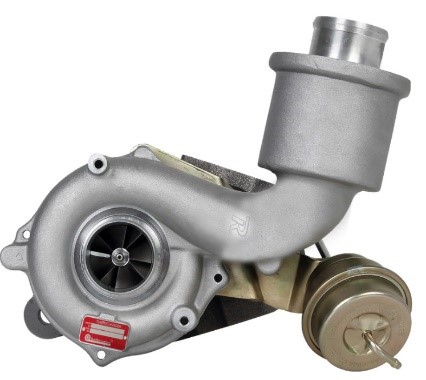
Turbo Failure Symptoms

We offer same-day turbo replacement service at our workshop or mobile workshop that comes to you. This blog is written from our in-house experience when turbos play up.

The main symptoms of turbo failure

  • Power loss
  • Whining noise coming from the turbo
  • Excessive smoke

What Causes Turbos to Fail?

Most failures are caused by oil starvation, oil contamination, and foreign object damage. More than 90% of turbocharger failures are caused by oil-related either by oil starvation or oil contamination and the wrong oil used, causing chaos.

What Happens when the turbo actuator fails?

When the actuator has failed to open under acceleration, the turbo will fail to operate efficiently (as it acts as a pressure relief valve). If the vanes are set to a closed position, it can cause choking of the engine.

Can a turbo damage your engine?

Yes, it certainly can. The longer you drive with a defective turbo, the more the likelihood of engine damage.

Audi Turbo
Audi Turbo

The dreaded P0234 code

The P0234 code occurs when the boost pressure increases by 4 PSI over the manufactures recommendation. P0234 is a common problem we see; if the gasket/seals have blown, the turbo often requires repair or replacement. However, sometimes when this code is present is due to a boost sensor voltage being incorrect. Overboost condition when the engine is not designed to handle it may cause catastrophic engine failures, like a blown engine or blown head gaskets.

The infamous P0299 code

This code is related to Bank A or a single turbocharger/supercharger not providing the correct pressure. Audi models are known for these troublesome codes. It is worthwhile noting that the EGR valve should be checked.

Call us for more information or email us

xpart

Leave a Comment